

The IiSGM ‘turns’ secondary school students into young researchers as part of the Científic@s en Prácticas programme
Students have been able to learn first-hand how the research groups in the areas of Cardiology, Pharmacy and Genetics work
The Instituto de Investigación Sanitaria del Hospital Gregorio Marañón (IiSGM) has organised three placements for pupils from secondary schools. The young students became scientists for a week as part of the Científic@s en prácticas programme, in which the hospital’s biomedical research unit is participating for the second consecutive year.
This initiative is promoted by the Consejo Superior de Investigaciones Científicas (CSIC) and the Asociación Española para el Avance de la Ciencia (AEAC), with the collaboration of the Red Sanitaria de Responsabilidad Social y Sostenibilidad.
For the occasion, training itineraries have been created with activities for the participating pupils, who have been able to gain an insight into the work carried out by three research groups at Gregorio Marañón: Cardiología y trasplante cardíaco infantil, Farmacia Hospitalaria y Farmacogenómica, y Genética Hematológica y Genómica.
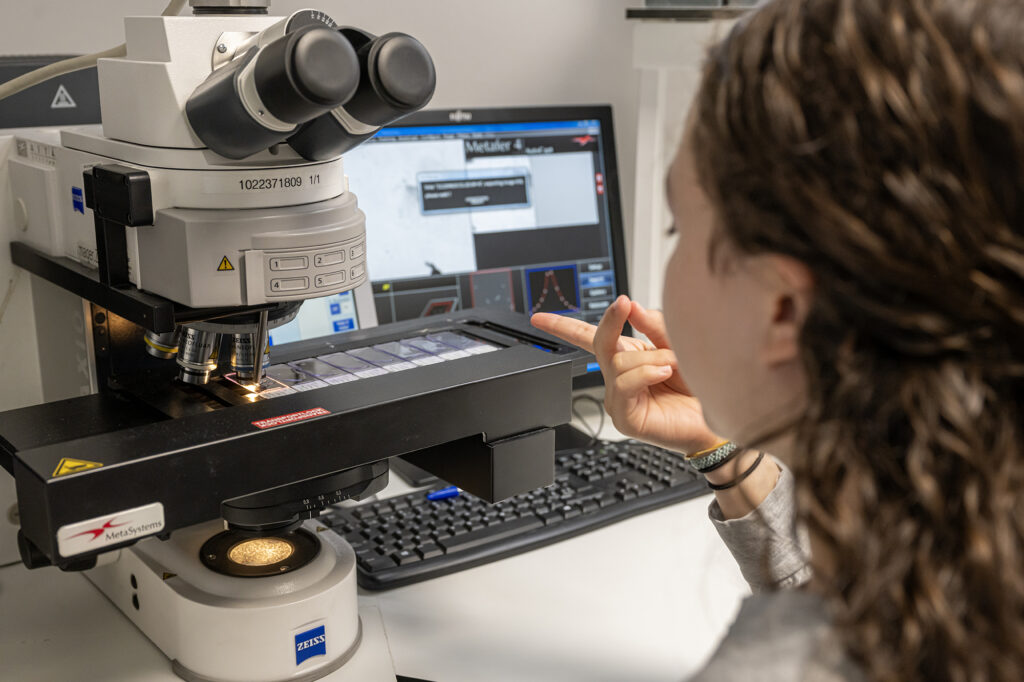
Pharmacy, Genetics and Cardiology
The pupils who worked alongside the Genetics group received training in the use of advanced molecular analysis techniques, which are fundamental to researching therapeutic targets for cancers affecting the blood. Specifically, they learnt how to carry out quantitative PCR and prepare karyotypes, which is essential for diagnosing and studying these conditions.
For their part, the young researchers from the Cardiology group visited the operating theatres at the children's hospital and the cell therapy laboratories. They also visited the consultation rooms to see the equipment used in daily practice and were able to learn how hereditary cardiovascular diseases are studied.
The students who carried out the activity alongside the IiSGM Pharmacy group learnt how to receive samples, process them and interpret their results. In addition, the professionals at Marañón taught them how to formulate research questions and answer them rigorously, and they were even able to carry out DNA extractions.
Related links

For the second consecutive year, the Institute is taking part in this scientific outreach initiative, which provides secondary school students with one-week placements in research laboratories