

IISGM INNOVATION SUCCESS STORIES
ACCESS THE IISGM TECHNOLOGY SHOWCASE
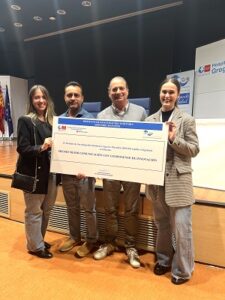
Award for the best communication with an innovative component
20 October 2023
On 20 October, the 10th Research and Innovation Conference of the IiSGM was held with the aim of recognising the research work carried out by our staff and presenting the Institute's scientific and economic results. The event aims to provide a shared space for exchanging experiences and/or results of the research and innovation developed within the framework of the Institute, both with the research community and with the general public.
As part of this conference, a series of communications were awarded, including the category of Best Communication with an innovation component. The communication Endotracheally illuminated speculum for rodents in a pulmonary lobectomy model by Pedro Llontop, Lidia Albadalejo, Alba Alises, Marta García, Francisco Sánchez and Fernando Asensio from the Animal Facility Department was awarded in this category.
The speculum is a device that opens the mouth and tongue and illuminates the oral cavity of rodents, allowing direct visualisation of the vocal cords and the entrance to the trachea, thereby facilitating the endotracheal intubation procedure. An application for a utility model has already been filed with the Spanish Patent and Trademark Office, and a first prototype has been designed.
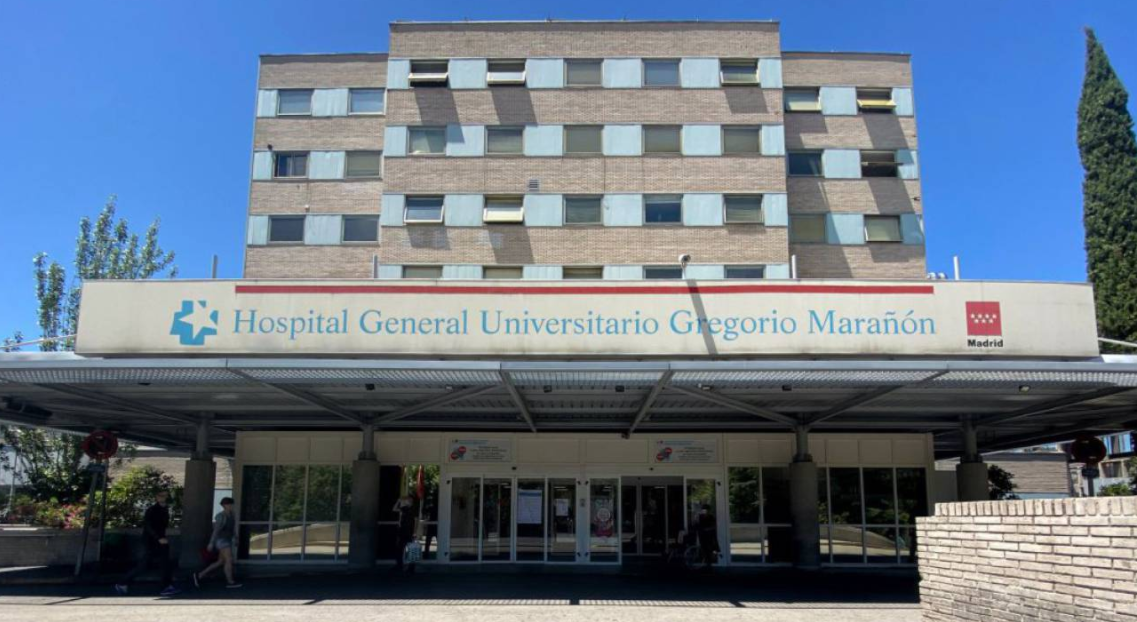
Marañón develops a pioneering cellular treatment to prevent transplant rejection
22 July 2021
Researchers from the Immuno-regulation Laboratory at Gregorio Marañón Hospital, responsible for this pioneering treatment based on cell therapy, presented today the results of their research, which lasted more than six years, under the direction of Rafael Correa.
This new technique using thymic tissue Treg cells (thyTreg) aims to prevent organ rejection and eliminate the need for immunosuppressive drugs. As the patient's own cells are used, side effects are minimal, which also improves the quality of life of the transplant recipient. This therapy could be implemented in our hospitals in the short term.
The Regional Minister for Health of the Community of Madrid, Enrique Ruiz Escudero, attended the presentation of this innovative study, which also shows promising results in the three transplanted patients (babies) who are already being treated with this innovative technique developed in a public hospital in Madrid and which is pioneering worldwide.
Ruiz Escudero highlighted the importance of this research in guaranteeing patient survival by preventing the recipient's immune system from rejecting the organs, without having to administer immunosuppressive drugs. This study has the support of the Spanish National Transplant Organisation (ONT) and the backing of the director of the Canadian Donation and Transplantation Research Program.
HGUGM article (22/07/2021) // RTVE // Telemadrid // immedico // ConSalud // ABC // SaludADiario // EfeSalud
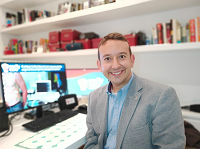
Corify Care opens a €600,000 funding round to bring its device to market
26 February 2021
The spin-off of the Gregorio Marañón Health Research Institute and the Universitat Politècnica de València, which has developed a medical device for diagnosing arrhythmias, today opened a €600,000 funding round through the Capital Cell platform. This is another step towards consolidating its technology, which can reach patients' hearts without even touching them.
At Corify Care, they work to improve the effectiveness of treatments for cardiac arrhythmias. Its Acorys® medical device enables non-invasive mapping of the heart for accurate diagnosis of cardiac arrhythmias and identification of the optimal treatment. The technology is patented and the clinical feasibility studies have been successful.
The purpose of the funding round is to carry out the prospective clinical validation of its device and obtain CE marking so that it can begin marketing it. This round will precede another one of four million euros, which the company intends to open in 2023.
Corify Care is completing the development of Acorys® with the support of the Centre for the Development of Industrial Technology (CDTI) of the Ministry of Industry, the European Institute of Innovation and Technology and private investors. In addition, the spin-off of the Gregorio Marañón Health Research Institute was awarded the most innovative project of 2020.
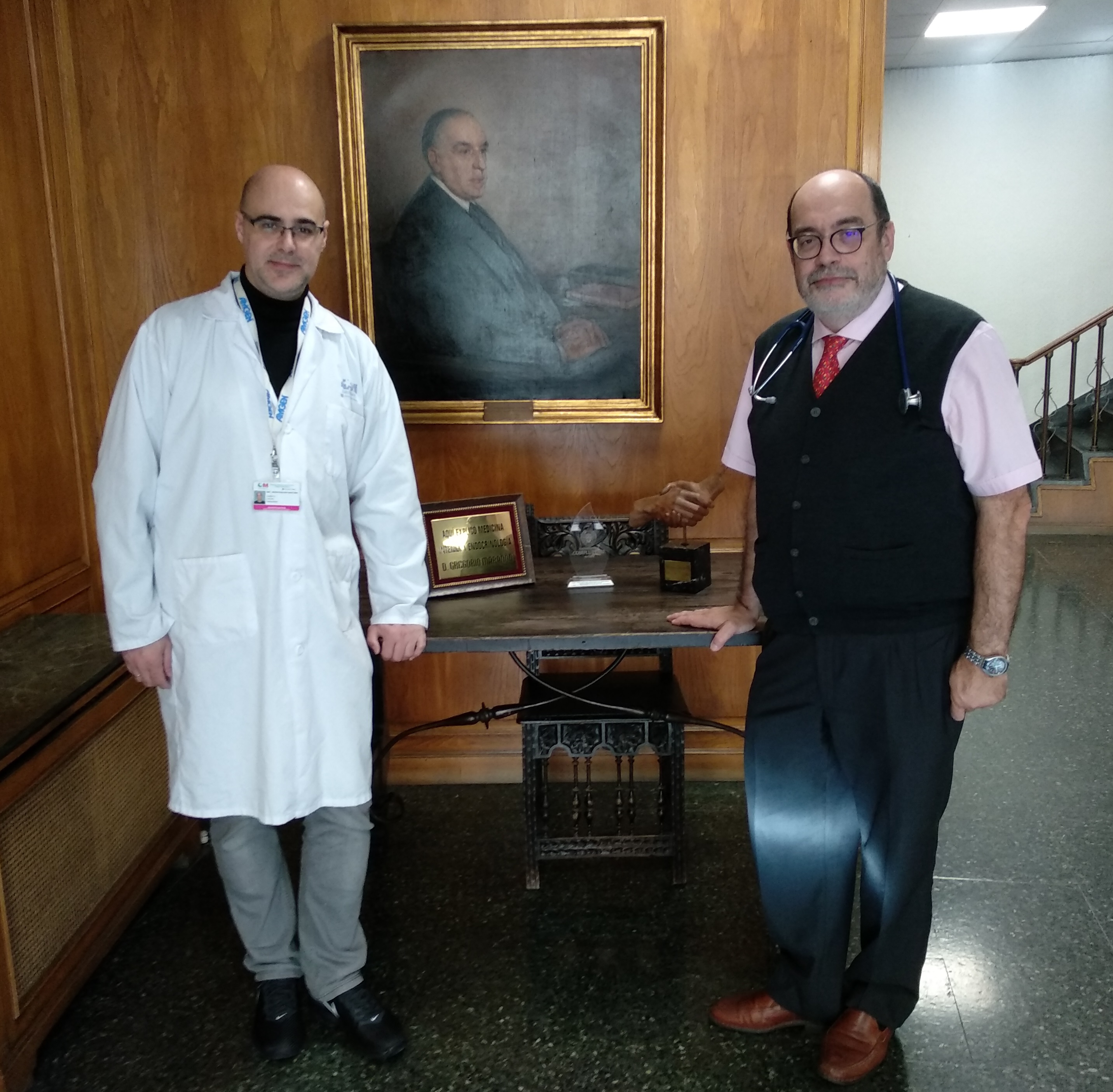
Telara Pharma, the new spin-off of Gregorio Marañón
10 February 2021
Telara Pharma, the new spin-off of the Gregorio Marañón Hospital Health Research Institute, was recently established following many years of research by doctors Alberto Tejedor and Alberto Lázaro and the Renal Pathophysiology Laboratory team.
Its aim is to bring to patients the fruits of this research based on cilastatin, a molecule capable of slowing acute kidney failure in patients. Cilastatin prevents the progression of the toxicity associated with treatments for cancer, HIV, immunosuppressive transplant drugs or infections, without interfering with the therapeutic effect of medicines used to treat these conditions.
It is also becoming clear that it is not only a kidney protector, but can also protect other connected and directly related organs that are damaged by nephrotoxic drugs. The direct protection that cilastatin can provide to the kidney has an impact on the lungs, heart and even liver.
The creation of Telara Pharma seeks to attract investment to undertake phase II trials demonstrating the clinical efficacy of cilastatin and to move rapidly towards its commercialisation so that it can be administered to patients as soon as possible.
The dream of our colleague Alberto Tejedor, who recently died from COVID, is getting closer to becoming a reality.
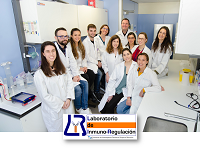
Marañón participates in European research into the immune response to coronavirus
15 June 2020
The Immuno-regulation Laboratory, led by Rafael Correa Rocha, at Gregorio Marañón University General Hospital is participating in a European consortium of hospitals coordinated by Clínic-IDIBAPS, with the support of Cellnex Telecom, which is promoting research into cellular immunotherapies to tackle COVID-19. The project, with an investment of €5 million, aims to improve understanding of how the immune response to SARS-CoV-2 works in order to develop cellular therapies with T lymphocytes that act against SARS-CoV-2 infection, and therapies with regulatory T cells (Treg) to neutralise the immune hyperactivation responsible for the deterioration of COVID-19 patients.
This European multicentre project, coordinated by Clínic-IDIBAPS together with the Blood and Tissue Bank (BST), also involves INSERM, associated with Montpellier University Hospital (France), the Istituto Scientifico Romagnolo per lo Studio e la Cura dei Tumori (IRST) in Meldola (Italy), and the IRCCS San Raffaele Hospital (HSR) in Milan (Italy).
First, different immune profiles associated with different clinical prognoses will be identified in patients who have had COVID-19, making it possible to detect biomarkers capable of predicting the progression of people with the infection.
In addition, different proposals will be developed to provide “useful” cellular immunotherapies at the various stages of the infection. On the one hand, natural T cells obtained from samples of patients who have already had COVID-19 will be used to slow the infection.
At the same time, proposals for SARS-CoV-2-specific chimeric antigen receptors (CARs) will be developed by modifying the patient's lymphocytes in the laboratory so that they can recognise and eliminate the virus. Therapeutic proposals will also be developed to control immune hyperactivation using regulatory T lymphocytes (Treg).
HGUGM article (15/06/2020) // Diario Médico // La Vanguardia // Nius Diario // La Razón // ABC // Europa Press // Agencia EFE // Servimedia // Consalud